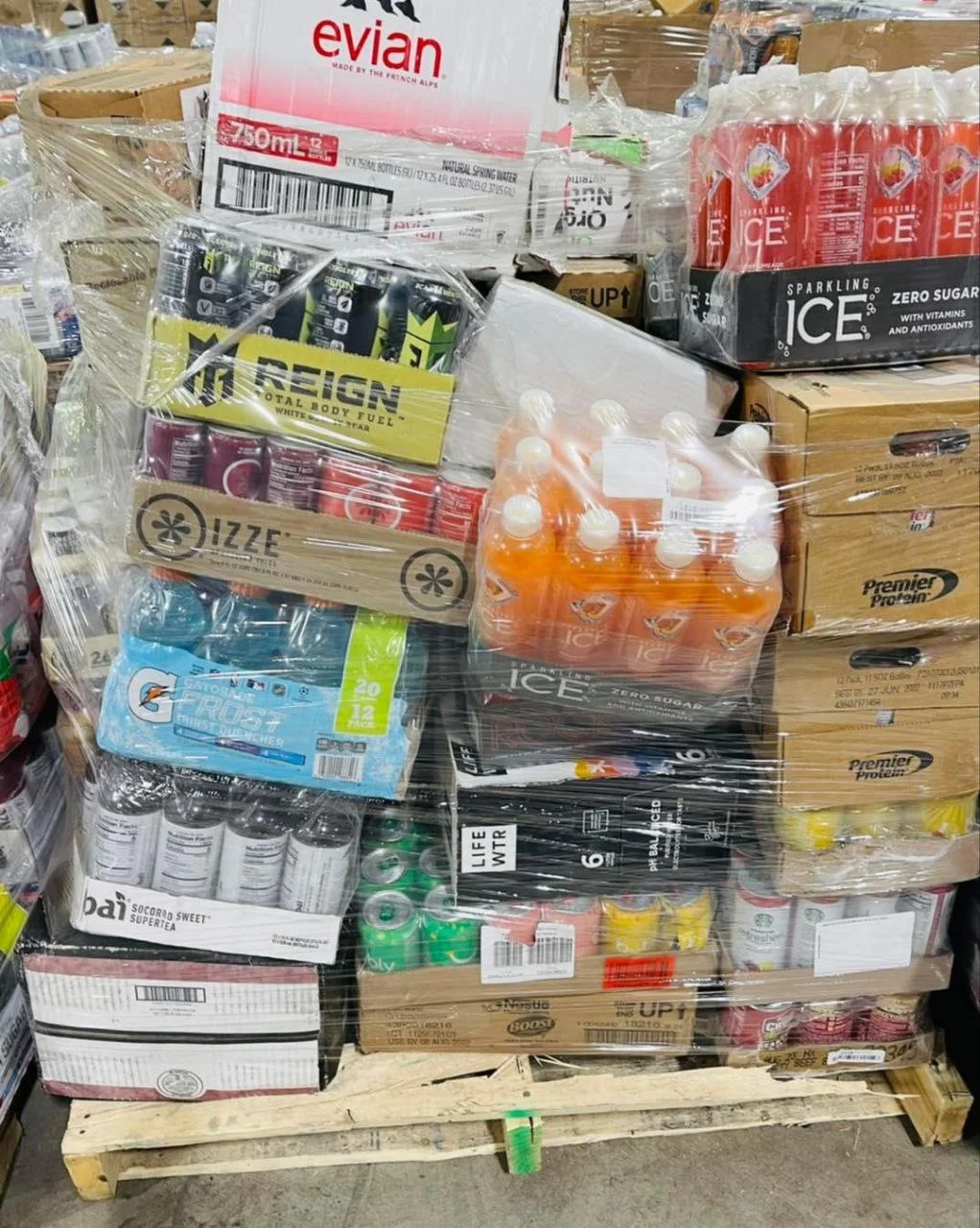
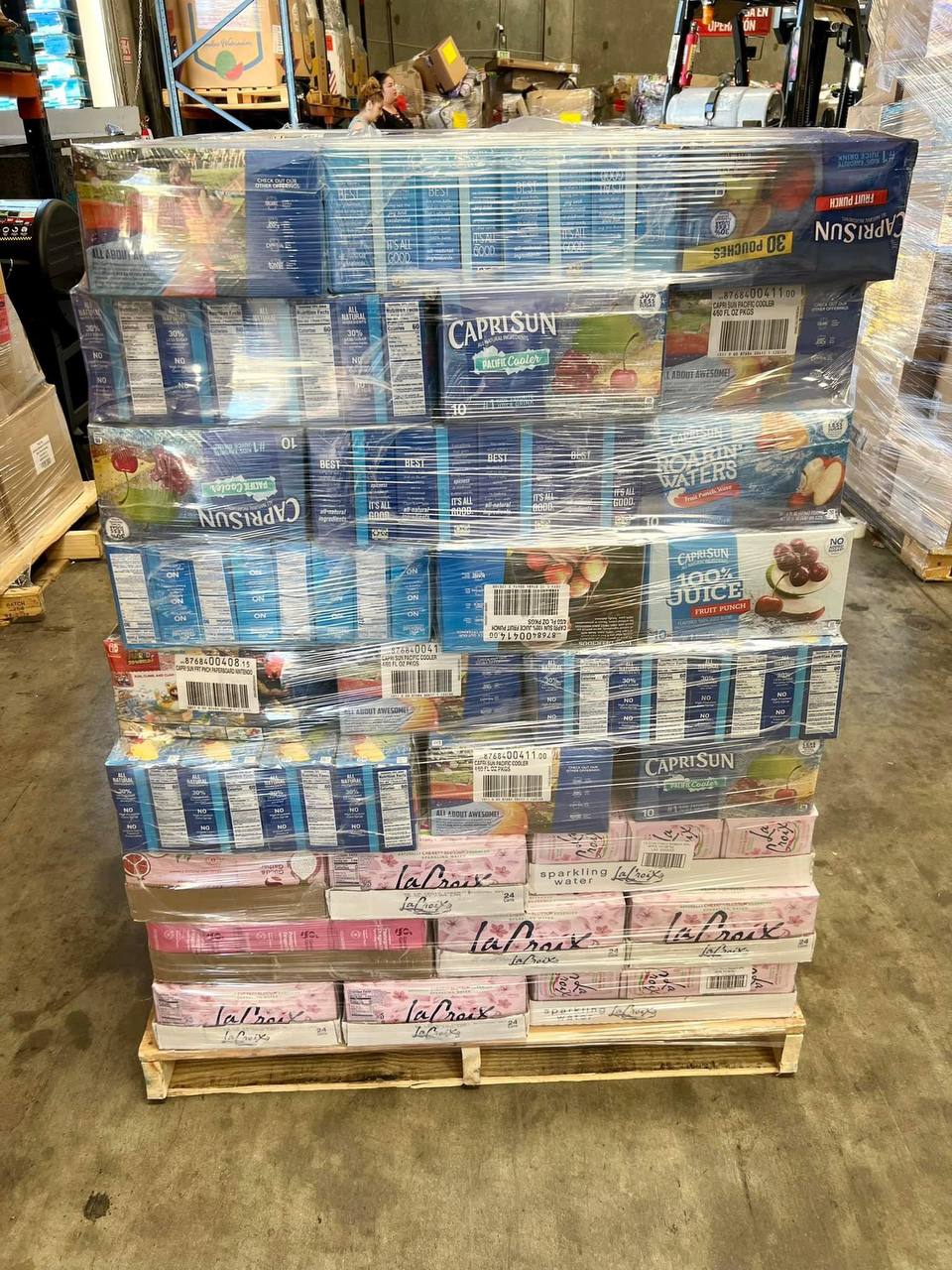
Wholesales Beverages Liquidation Pallets
Wholesales Beverages liquidation pallets are wholesale lots of beverages sold in bulk, often consisting of overstock, short-dated, mislabeled, or surplus inventory from manufacturers, wholesalers, or retailers. These pallets provide a cost-effective way to acquire a wide variety of drinks, including sodas, juices, water, energy drinks, and sometimes alcoholic beverages, often at prices significantly below retail due to reasons like overproduction or packaging changes.
Key Features of Beverage Liquidation Pallets:
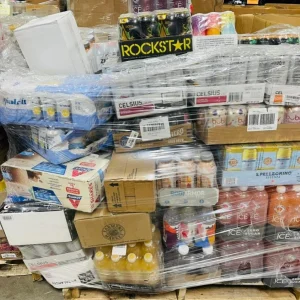
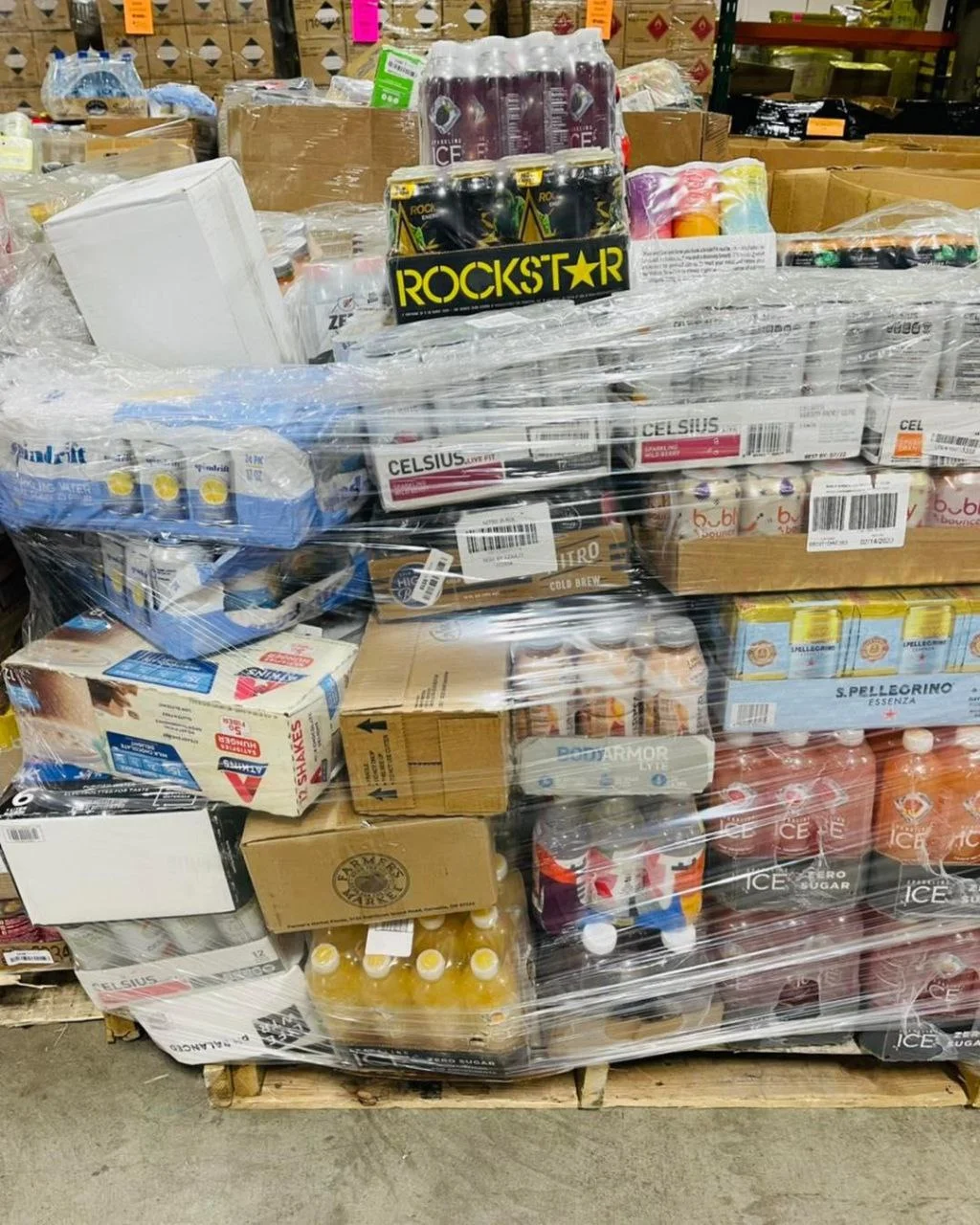
Variety: They typically include a mix of beverage types such as sodas (cola, lemon-lime, root beer), juices (orange, apple, cranberry), waters (still, sparkling, flavored), and energy drinks, with packaging in bottles, cans, cartons, and cases.
Quality and Safety: The beverages are usually authentic, unexpired, and sourced from reputable brands, ensuring freshness and safety.
Packaging: Pallets contain assorted packaging sizes and types to suit different needs, from individual bottles to bulk cases.
Pricing: These pallets are offered at wholesale or liquidation prices, making them attractive for retailers, event planners, resellers, and offices looking to stock beverages affordably.
Distribution: Many suppliers arrange shipping and logistics, sometimes nationwide, facilitating easy access to these pallets.
Who Benefits from Beverage Liquidation Pallets?
Retailers looking to expand inventory cost-effectively.
Event organizers needing large quantities for occasions.
Offices and organizations supplying employees and clients.
Resellers seeking diverse stock for resale opportunities.
Where to Find Beverage Liquidation Pallets:
Specialized liquidation companies like A.Y. International buy and sell excess beverage inventory and handle logistics to secondary markets.
Online wholesalers and platforms such as Pallets offer pallets of beverages including Coca-Cola products and mixed beverage assortments.
Companies like First Alliance Logistics Management provide pallets that meet food safety standards and offer customized solutions for beverage transport and storage.
In summary, beverage liquidation pallets are an efficient way to purchase large quantities of diverse beverages at reduced prices
suitable for various business needs and resale opportunities
How do liquidation pallets of beverages ensure quality and freshness
Liquidation pallets of beverages ensure quality and freshness primarily through sourcing from reputable brands with unexpired products and secure packaging that maintains product integrity during transit. Suppliers guarantee that beverages are authentic and unexpired, which is critical to customer satisfaction and safety
The beverages are sealed and securely packaged to preserve freshness and prevent contamination or spoilage during shipping
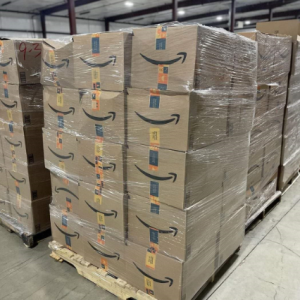
Additionally, proper pallet stability and packaging techniques play a vital role in maintaining quality. Effective pallet design, even stacking, and secure wrapping with stretch film or shrink wrap prevent shifting or damage of beverage containers during transport, reducing the risk of breakage, leakage, or spoilage
Some suppliers use advanced packaging materials like liquid-proof anti-slip paper to further protect products and enhance pallet stability
which helps maintain the beverages’ condition from warehouse to delivery
Buyers are advised to work with reputable liquidation companies that provide detailed manifests and have good reviews to minimize risks associated with damaged or near-expiry products. Proper storage after receipt, including refrigeration for perishable beverages, is also essential to preserve freshness
beverage liquidation pallets ensure quality and freshness by
-
Supplying unexpired, authentic products from trusted brands
-
Using secure, sealed packaging to maintain freshness during transport
-
Employing proper pallet stability techniques to prevent damage and contamination
-
Encouraging buyers to source from reputable suppliers and handle storage correctly
How do liquidators prevent spoilage in beverage pallets before sale
Liquidators prevent spoilage in beverage pallets before sale primarily by ensuring pallet stability and proper packaging to avoid
damage and contamination during handling and transport. Key measures include:
Secure Pallet Stability: Proper pallet design and stacking methods are used to evenly distribute weight and prevent top-heavy or unstable loads that could shift or collapse, which might cause breakage or spillage.
Effective Wrapping: The entire pallet load is tightly wrapped with stretch film or shrink wrap, which keeps products firmly in place, reducing movement and the risk of damage during transit.
Advanced Packaging Materials: Innovative solutions like liquid-proof anti-slip paper (e.g., Liquim®) are used between layers to prevent slipping and provide additional protection against damage and contamination.
Clean and Suitable Pallets: Using clean, undamaged pallets—sometimes plastic instead of wood—to improve hygiene and reduce contamination risks.
Controlled Storage Conditions: Following proper storage guidelines for temperature, humidity, ventilation, and light exposure helps maintain beverage quality and slows spoilage before sale.
Compliance with Food Safety Standards: Ensuring packaging materials are food-grade and that pallets are handled in accordance with food safety regulations to prevent contamination
. Key Questions to Ask Before Buying
-
What is the condition of the products? (New, expired, damaged?)
-
What brands and varieties are included?
-
Are there any restocking fees or return policies?
-
Who handles shipping, or is pickup required?
-
Are there any legal restrictions (e.g., alcohol permits)?